 Harry Black
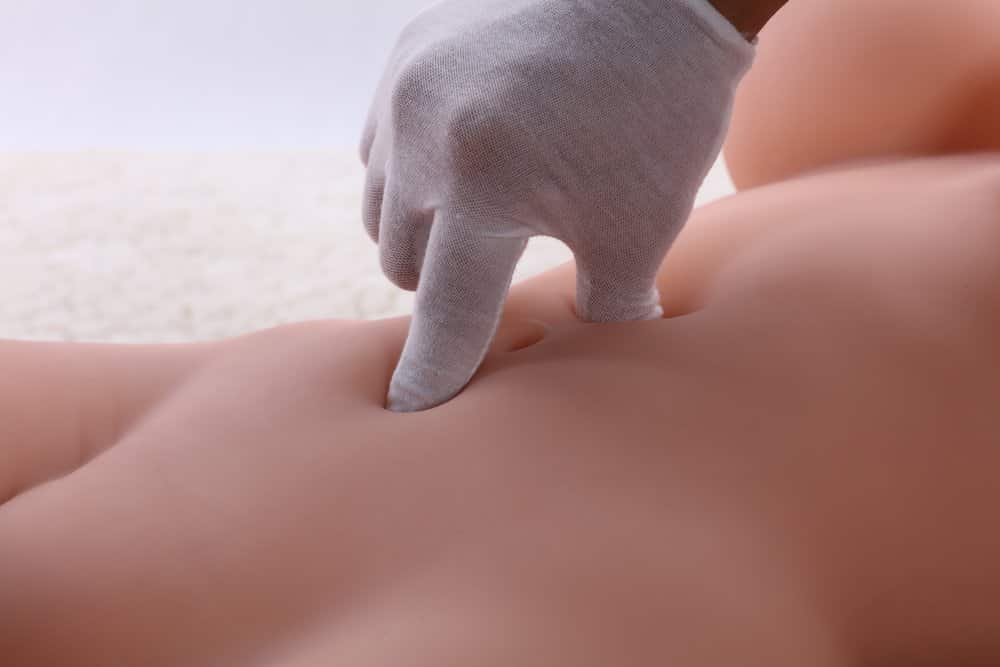
Most of the work in keeping a doll hygienic happens in the few minutes after you use it. Get this short routine right and the bigger jobs, like full washes and stain removal, come round far less often.
Why the after-use clean matters most
Moisture, lubricant and body fluids left inside a doll are the main cause of odour, stickiness and mould, and they are much harder to deal with a day later than straight away. A quick, consistent clean after every use is the habit that keeps a doll in good shape for years. It also protects your own health: general hygiene points are covered in our health and hygiene guide, and if you notice irritation or any symptoms, see a doctor.
You don’t need to wash the whole doll each time. The after-use routine only covers the parts that were in contact, plus thorough drying. The full-body wash belongs on the maintenance schedule, roughly every two to four weeks.
Keep a cleaning kit ready
The routine stays short if everything is in one place, ideally a small box or bag in the bathroom:
- Mild, unscented soap or a doll/toy cleaner
- An irrigation bulb (often included with the doll)
- Two or three lint-free or microfiber towels
- An absorbent drying rod or small microfiber cloths for the openings
- Renewal powder or plain cornstarch for TPE dolls
- Condoms, if you use them, to cut clean-up time further
Most of this comes in a typical doll care kit; our first doll budget breakdown covers what one usually costs.
The 10-minute routine, step by step
Times are rough guides for hands-on work. Drying continues on its own afterwards.
| Step | What to do | About |
|---|---|---|
| 1. Prepare | Fill the irrigator with warm (not hot) water and a few drops of mild soap. Lay a towel down. | 1 min |
| 2. Insert or openings | Remove and wash a removable insert in the sink, or flush each opening several times with the soapy water. | 3 min |
| 3. Rinse | Flush again with clean warm water until it runs clear. Soap residue is a common cause of tacky TPE. | 2 min |
| 4. Wipe the skin | Wipe any skin that was touched with a damp cloth, then pat dry. Don’t rub. | 2 min |
| 5. Start drying | Pat the openings dry, insert a drying rod or cloth, and leave the doll in a ventilated spot. | 1 min |
| 6. Powder (TPE) | Once the skin is dry, brush a light dusting of powder over areas that feel tacky. | 1 min |
Manufacturer instructions vary, so check the guide that came with your doll. Kimber Doll’s care guide, for example, recommends flushing each opening five to ten times with warm water and then letting the doll drain on a clean towel for 30–60 minutes before returning it to a resting position.
Drying: the step not to rush
Drying is where most problems start. Water trapped inside a doll can lead to mould, which is difficult to remove and often means replacing an insert. To avoid it:
- Pat the openings dry with a towel first, then push in a drying rod or small cloths to soak up what remains.
- Leave the openings uncovered and the doll in a well-ventilated room, typically for two to four hours.
- Use a fan or a hairdryer on the cool setting if you are short of time. Never use heat on TPE.
- Wash and dry a removable insert separately, and only refit it once it is fully dry.
Only put the doll back on its hook or in its case when everything is dry. See how to store a sex doll for the options.

Common mistakes to avoid
- Using hot water. Warm is enough. High heat can soften and deform TPE.
- Harsh products. Alcohol, bleach, acetone and oily cleaners can dry out or break down the material.
- Silicone or oil-based lubricant. Use water-based lube only; it rinses out easily and won’t damage TPE or silicone.
- Getting the head or neck wet. Water can rust the neck bolt. Keep the head out of the way, and never soak a doll with electronics.
- Skipping the rinse. Leftover soap is one of the most common reasons TPE feels sticky.
- Putting the doll away damp. Even a slightly damp opening can develop odour or mould in a closed case.
If you spot a mark while you wipe down, deal with it early. Light stains are easiest to lift when they are new; our guide to removing TPE stains explains how.
TPE vs silicone: small differences
The routine is the same for both materials, with two exceptions. TPE is slightly porous, so it benefits from thorough drying and a light dusting of powder afterwards; our page on TPE oil and powder covers how much to use. Silicone is less porous and needs no powder, but it should still be rinsed well and dried before storage. Torsos follow the same steps and are easier to handle, since you can often clean them at the sink.
Make it a habit
Ten minutes after each use, plus a full wash every few weeks, keeps most dolls clean, soft and odour-free. For the bigger picture, read our complete sex doll care guide, and if you’re still choosing a doll, a model with a removable insert from our best TPE sex dolls list makes this routine easier still.
Frequently asked questions
Do I need to wash the whole doll after every use?
No. After each use you only need to clean the insert or openings and wipe any skin that was touched. A full-body wash every two to four weeks, or when the skin looks dull or feels tacky, is enough for most owners.
What soap should I use for the after-use clean?
A mild, unscented soap or a cleaner sold for dolls and sex toys, diluted in warm water. Avoid alcohol, bleach, acetone and scented or oily products, which can damage TPE and silicone.
How long does a doll need to dry after cleaning?
The hands-on part takes a few minutes, but openings should be left to air out with an absorbent rod or cloth inside, typically for two to four hours in a ventilated room. Put the doll away only once everything is completely dry.
Does a removable insert make cleaning easier?
Yes. A removable insert can be washed in the sink like any other item, then dried fully before it goes back in, so you don't have to move the whole doll to the bathroom.
Can I skip cleaning if I used a condom?
A condom makes the clean-up much quicker, but still give the area a quick flush or wipe and let it dry. Lubricant and moisture left behind can still cause odour and stickiness.


